What Is Diabetes Mellitus?

Type_1_Diabetes_Mellitus

The number of people around the world suffering from diabetes has skyrocketed in the last two decades, from 30 million to 230 million, claiming millions of lives and severely taxing the ability of health care systemsto deal with the epidemic, according to data released Saturday by the International Diabetes Federation.

What is diabetes?

Diabetes is a disease in which your body cannot properly store and use fuel for energy. The fuel that your body needs is called glucose, a form of sugar. Glucose comes from foods such as breads, cereals, pasta, rice, potatoes, fruits and some vegetables. To use glucose, your body needs insulin. Insulin is made by a gland in your body called the pancreas. There are three types of diabetes: type 1, type 2 and gestational diabetes. Gestational diabetes only occurs during pregnancy.

Types of Diabetes Mellitus

Diabetes mellitus is a heterogeneous clinical disorder with numerous causes. Two main classifications of diabetes mellitus exist, idiopathic and secondary.

Idiopathic diabetes is divided into two main types; insulin dependent and non-insulin-depenedent. Insulin-dependent diabetes mellitus, IDDM (Type 1) is defined by the development of ketoacidosis in the absence of insulin therapy. Type 1 diabetes most often manifests in childhood (hence also called juvenile onset diabetes) and is the result of an autoimmune destruction of the b-cells of the pancreas. Non-insulin-dependent diabetes mellitus, NIDDM (Type 2) is characterized by persistent hyperglycemia but rarely leads to ketoacidosis. Type 2 diabetes generally manifests after age 40 and therefore has the obsolete name of adult onset-type diabetes. Type 2 diabetes can result from genetics defects that cause both insulin resistance and insulin deficiency. There are two main forms of type 2 diabetes:

1. Late onset associated with obesity.
2. Late onset not associated with obesity.

Sample meal plan

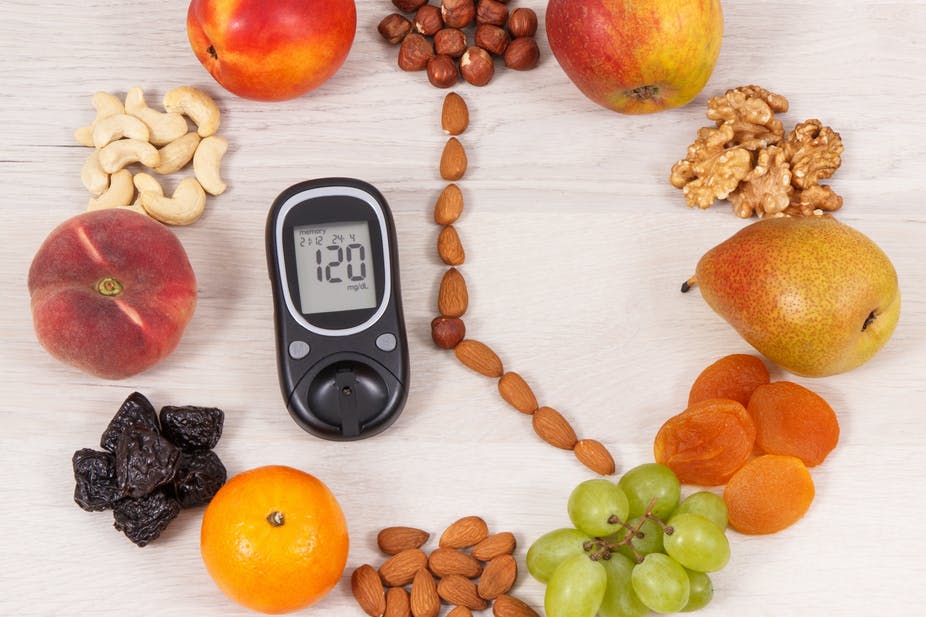
Choose foods you like and which satisfy you, and include carbohydrate foods in each meal or snack to help manage blood glucose levels. You can eat your main meal at lunch or dinner.

Get help immediately if Diabetes symptoms occur

Occasionally, the onset of diabetes – particularly Type 1 – can be abrupt. It can lead to a condition called ‘keto acidosis’, which is a medical emergency. The symptoms of this condition are loss of appetite, weight loss, vomiting, excessive passing of urine, altered consciousness and, finally, coma. Seek medical help immediately if these symptoms occur.

Diabetes Freedom

Women, Diabetes and Polycystic Ovary Syndrome: How Exercise Can Help

download (6)

Some women are at higher risk of developing Type 2 diabetes because of a syndrome that often goes undiagnosed: Polycystic Ovary Syndrome. Polycystic Ovary Syndrome, or PCOS, affects between six and ten percent of women who are of childbearing age. One of the symptoms of PCOS is often excess weight gain, with that weight carried around the abdomen. Reducing the risks of developing type 2 diabetes in women with PCOS involves, in part, improving insulin sensitivity.

If you have symptoms such as irregular or infrequent menstrual cycles, acne, excessive body or facial hair, you may have PCOS. PCOS causes a hormonal imbalance that can cause these types of symptoms. Your doctor will be able to identify the syndrome and direct you to appropriate treatment to control the condition and prevent future complications such as heart disease, infertility, endometrial cancer, and diabetes.

Women with PCOS should be sure to eat a healthy diet, and include regular exercise each week. Maintaining a healthy weight, and losing any extra pounds, will not only help to prevent cardiovascular disease and diabetes, it will also help to reduce the symptoms associated with PCOS.

There are some women that, even with increased exercise and a healthy diet, will not lose weight. Will these women still benefit? Studies have shown that exercising has healthy benefits, regardless of its effect on weight. Exercise affects how the body metabolizes carbohydrates (glucose), and improves insulin sensitivity, both of which help to prevent diabetes from developing. As our body becomes less sensitive to insulin, the pancreas increases its production of insulin to try to compensate. By exercising, and improving our body’s sensitivity to insulin, we keep the pancreas from working overtime.

Losing weight can be particularly important to women, not only for the health benefits, but also because of the effect on energy and self-esteem. Even if the exercise does not help you to lose weight in the short term, it will still have a benefit to your health. Before starting an exercise program, it is important to check with your doctor. They may have recommendations on starting a program, or cautions based on your personal medical history.

There are several ways to start an exercise program; the key is finding what works for you. You may choose to ride a stationary bike, swim, walk, or dance.

Walking is a great way to begin a habit of regular exercise. Women who enjoy a daily walk report feeling better, sleeping better, and experience less moods swings. Should you decide to start a walking program, make sure you have a quality pair of walking shoes. Your local running store can provide you with information on the style of shoe best for you. When you begin, do not worry about your speed, or how long you walk. Even a slow-paced walk will be good for your health, and as you build up stamina, you will be able to increase the length of your walk. Start out slow, studies show that even a slow-paced walk is good to your health. As you continue your program, you will probably find your stamina builds up and you can add more distance to your walk. An excellent goal to work towards is a thirty-minute walk every day.

Diabetes Freedom

5 Ways to Manage your Diet for Diabetes

file-20191202-67028-7oi1vv

Since my diagnosis with diabetes at the age of eleven, my own diet has changed dramatically. I maintain my current healthy weight with a great diet/eating plan. If you do plan on losing more than about a stone in weight then I would visit your doctor for more tips on how to do this without risk.

I’ve had diabetes for seven years now, but to tell you that how I maintain weight is perfect would be totally wrong of me. However, I can advise you to follow my steps because I know what works and what doesn’t. Before I really begin I must also say that I have been brought up by great parents who taught me to eat everything, and so I do! If there is something that you don’t like, there are loads of other diabetic recipes and ideas that you will eat and appreciate.

I am a university student and I like to buy fresh and organic produce from where I live. I believe that this is important because it can be the most good for your body and contain more nutrients and vitamins than most supermarket produce. I like to source food from my fortnightly farmers market in town, which sells amazing meat and dairy produce and fresh in season fruit and vegetables. This is another important thing to remember, that eating fruit and vegetables in their season means that they will taste better as well as doing you good. I have a lot of influence from Western European cuisine (mainly France and Italy) as you will tell, but I do not profess to be a chef and everything is easy to make and very convenient.

I have read countless diet books and diabetic recipe/diet books, and I came to a conclusion that I think really works. I fused all the good things from the diets (but not from every diet) and sort of put together my own one. I call this my Juvenile Diabetes Healthy Diet!

The “rules” that I would lay down are as follows:

1. Cut back on snacks and then change the type of snacks you eat.
Certainly my biggest downfall although it wasn’t really apparent to me. When I first started at University, I had little or no routine which meant that filling my day was difficult and popping into the kitchen for a snack, no matter how healthy it felt, was a regular occurence. This is one of the hardest things to do for some people, but establishing a great routine is essential to great diabetes care. The types of snacks to be eating are unsalted nuts, dried unsweetened fruit, fresh fruit, fresh vegetables (I love fresh red pepper and cucumber), dark chocolate (richer and nicer and you only want 2 squares usually).

2. Cut back on white flour and embrace wholemeal carbs.
This is the most essential part of your diet, and the thing that can show the biggest increase in loss of weight. Some diets in fact jsut focus on this point, and are very successful. Wholemeal (especially stoneground wholemeal) is so good for you and has so much more flavour in it that switching is much easier than you think. Most people are really surprised at the ranges you can get in you supermarket, again remember that the bread that is best for you is the one that is freshest with least perservatives or added ingredients. Also, brown or basmati rice is great with a lovely nutty texture. Wholemeal pasta is great and for your potatoes I would totally recommend the smaller new potatoes.

3. Stop drinking cocktails, start drinking wine.
Cocktails are full of sugar, colourants and preservatives. As a student I have had loads of practice at going out and not drinking cocktails, so my drink of choice is Malibu and Diet Coke if I feel I have to drink something and I make it last all night. I can then top up with Diet Coke (which has almost no sugar in it) and it looks as though I am drinking Malibu, who is to know. If you are out at a restaurant, red wine is much better than anything else you can order, (except water of course!) and it has been proven that the anti-oxidants in red wine are great for keeping a healthy heart. The recommended amount is one glass a day with your evening meal.

4. Start cooking more fruit and vegetables.
Fresh fruit and vegetables are a great way to get all the vitamins and minerals you need. And there are so many different ways in which to cook vegetables, but I find that raw is the best followed closely by steamed. Both of these ways preserve all their natural goodness as well. I will follow this post with another diabetes recipes post.

5. Drink more water.
I know you have heard people say this many times before, but the benefits of drinking more water are endless. A few tips on how to get more water into your day are firstly to put bottles of water at all the places you go in the house or work. So keep one in your desk, on your desk, a glass in the kitchen, the bedroom, the sitting room, etc. Try and drink all these glasses up and you will be well on your way to 8 glasses a day. The trick is to add a glass every few days or so, if you try to drink all that water in one go you won’t be so inclined to drink 8 glasses again, trust me! Have a go, it’s amazing how great you will feel.

Diabetes Freedom

7 Diabetes Foot Care Tips

323627_1100

If you have diabetes information about how to manage your condition is vital to your well being.

If you don’t look after your feet you run the risk of developing sores or infections that could, in the worst case scenario, lead to amputations. As happened to my father-in-law. Reduce your risk of infection or amputation by incorporating these 7 foot care tips…

1) Check your feet daily – especially if you have low sensitivity or no feeling in your feet. Sores, cuts and grazes could go unnoticed and you could develop problems leading to amputations.

2) Don’t go around barefoot, even indoors. It’s easy to tread on something or stub your toes and cut yourself. Protect your feet with socks/stockings and
shoes/slippers.

3) Be careful if you have corns or calluses. Check with your doctor or podiatrist the best way to care for them.

4) Wash your feet daily in warm, NOT HOT water. And don’t soak your feet (even if you’ve been standing all day) because it could dry your skin and form cracks or sores.

5) Take extra care to dry your feet completely, especially between your toes. These are natural moisture traps – leaving them damp or wet could create all sorts of problems.

6) Exercise your legs and feet regularly. Even when sitting you can rotate your ankles; wiggle your toes or move your legs up and down. These all keep your blood circulation flowing and helps to minimize the risk of foot problems.

7) Get your feet professionally checked, at least once a year, for sensitivity and signs of any problems. You can usually arrange this when you have your annual check up for your AC1 levels (blood glucose levels over a 3-month period), blood pressure and cholesterol.

Take constant care of your feet. Get help from a relative or professional; Doctor, diabetic nurse or podiatrist if you are not able to bend when trimming nails or checking for sores. Taking these simple actions will help you reduce the risk of painful problems.

Diabetes Freedom