Menopause: In the United States, cannabis used to calm symptoms.

An American study looked at postmenopausal women using cannabis to manage hot flashes, night sweats, insomnia, genitourinary disorders. A practice that remains illegal in some states, but common among these patients whose conventional treatments are no longer sufficient.

In the United States, more and more postmenopausal women use cannabis to calm their symptoms. This is the finding of researchers in a study presented at the 2020 virtual annual meeting of the North American Menopause Society (NAMS), which opens this Monday, September 28.

232 female veterans with an average of in their 50s participated in the survey. Of these, more than half had symptoms of menopause. Specifically, 54% had hot flashes and night sweats, 27% suffered from insomnia, and 69% were prone to genitourinary disorders. About 27% of those polled said they had used or consumed while studying cannabis to manage their symptoms. 10% of participants said they wanted to try cannabis to manage symptoms and only 19% said they used standard treatment for menopausal disorders such as hormone therapy.

Cannabis for the management of symptoms of menopause was most often used in women reporting hot flashes and night sweats. This use did not differ by age, ethnicity, socioeconomic status, or mental health issues.

“These results suggest that using cannabis to manage symptoms of menopause may be relatively common. However, we do not know whether cannabis use is safe or effective for managing symptoms of menopause or whether women discuss it. these decisions with their doctors. Cannabis is considered an illegal substance according to federal guidelines. This information is important for healthcare workers, and more research in this area is needed, “said Carolyn Gibson, PhD, MPH, psychologist and San Francisco VA Health Care System health services researcher and study lead author.

Understand Diabetes and Its Effective Natural Treatment

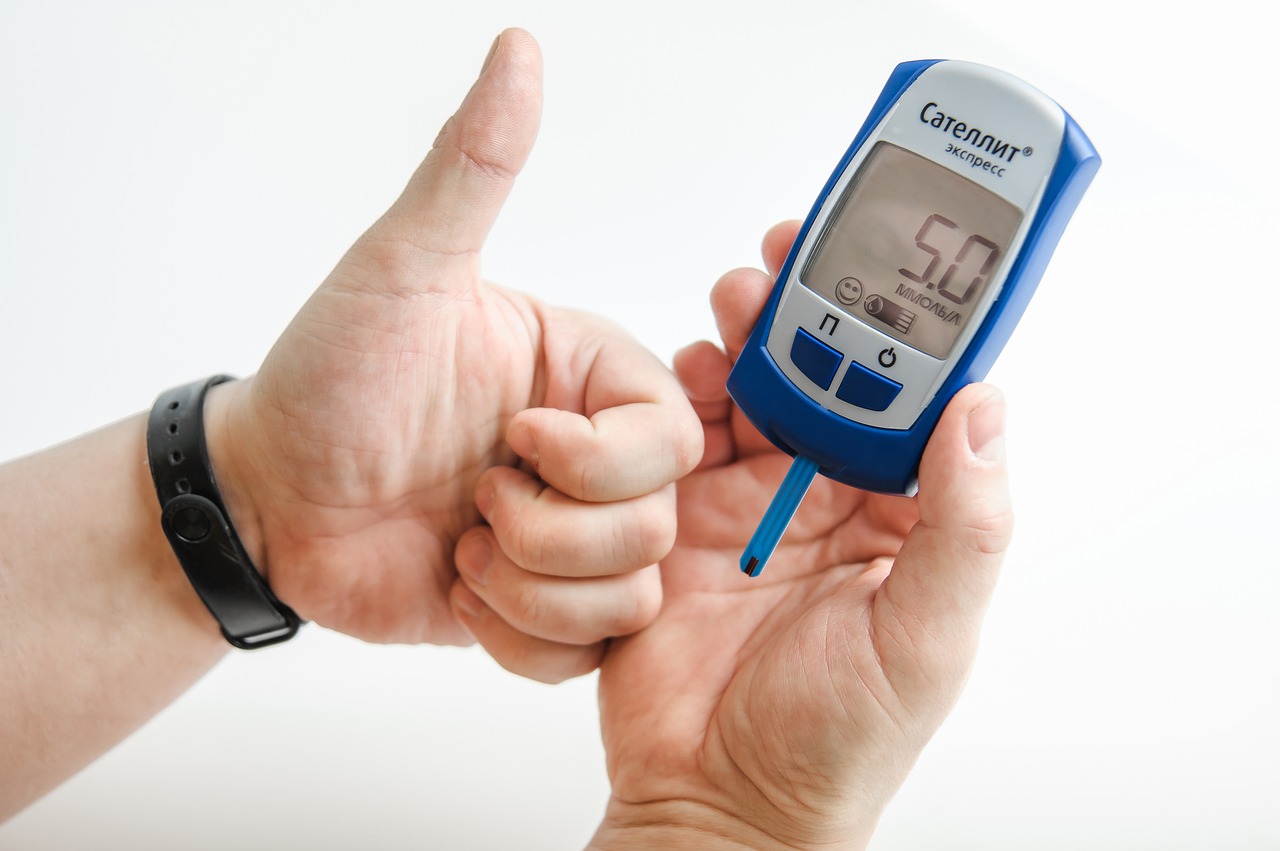
hand-3242519_1280

Diabetes occurs when the body does not produce insulin, a hormone that is needed to convert sugar, starches and other food into energy for daily life requirements. It is still a mystery the cause of diabetes although genetically and environmentally influence such as not enough exercise and obesity play a role.

To understand diabetes, it is good to learn something about pancreas, the long and thin situated behind our stomach. Pancreas is responsible for regulating the bodys use of glucose. It has two main functions: firstly to produce pancreatic endocrine hormones which assist in regulating our metabolism and secondly to produce pancreatic digestive enzymes. When the blood glucose levels begin to rise, it is insulins job to push muscle and fat cells to absorb whatever glucose they need for future activities whereas any surplus will store by the liver. There are some individuals either do not produce enough insulin (Type 1 diabetes) or their body resists whatever insulin is produced (Type 2 diabetes), thus an outside source production is necessary. Either way, the result is the same. Type 1 or also know as juvenile-onset diabetes, typically affects children and young adults and is genetically-linked. Type 2 which also known as adult-onset diabetes occurs in adults and is linked to obesity. Symptoms of both types include blurred vision, fatigue, frequent, bladder infections, increased appetite, increased thirst, increased urination, nausea, skin infections, vaginitis and vomiting. If not treated, diabetes type 1 and 2, can cause blood vessel damage, gangrene, heart attack, kidney damage, nerve damage, stork and vision problems.

How Glucosium Can Help: Glucosium is a popular diabetes treatment of natural ingredients which can help control blood sugar, stimulate your bodys insulin production, limit nerve damage and much more. This revolutionary supplement has shown amazing benefits for people with diabetes, as well as preventative properties for those who are exposed to a higher risk for diabetes. Last advice: do exercise, eat right and supplement your body with the proper nutrients that help your body to produce the insulin it was supposed to have.

728x90-3

What You Must Know About Diabetes

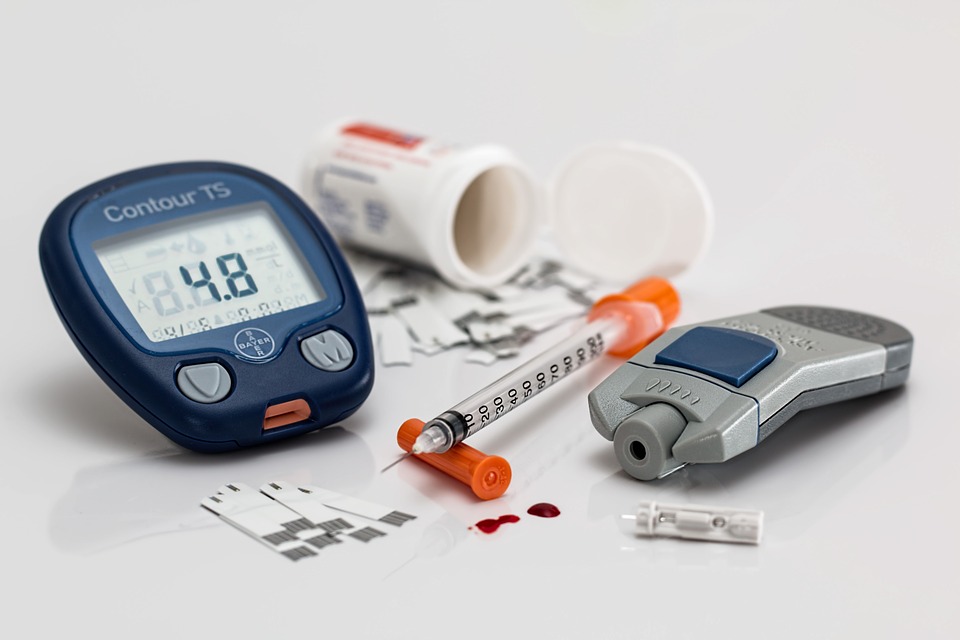
Diabetes Glucometer

Diabetes Mellitus is a disease in which the pancreas produces little or no insulin, a hormone that helps the bodys tissues absorb glucose (sugar) so it can be used as a source of energy. The condition may also develop if muscle, fat, and liver cells respond poorly to insulin. In people with diabetes, glucose levels build up in the blood and urine, causing excessive urination, thirst, hunger, and problems with fat and protein metabolism. Diabetes mellitus differs from the less common diabetes insipidus, which is caused by lack of the hormone vasopressin that controls the amount of urine secreted.

Diabetes is most common in adults over 45 years of age; in people who are overweight or physically inactive; in individuals who have an immediate family member with diabetes; and in people of African, Hispanic, and Native American descent. The highest rate of diabetes in the world occurs in Native Americans. More women than men have been diagnosed with the disease.

There are two types of diabetes.In type 1 diabetes, which usually starts in childhood, the pancreas stops making insulin altogether. It is also called insulin-dependent diabetes. In type 2 diabetes, which starts in adulthood (and in some teenagers) the body still makes some insulin. But it doesn’t make enough insulin, or the body can’t use it properly. It is also called non-insulin-dependent diabetes.

Diabetes is detected by measuring the amount of glucose in the blood after an individual has fasted (abstained from food) for about eight hours. In some cases, physicians diagnose diabetes by administering an oral glucose tolerance test, which measures glucose levels before and after a specific amount of sugar has been ingested. Another test being developed for Type 1 diabetes looks for specific antibodies (proteins of the immune system that attack foreign substances) present only in persons with diabetes. This test may detect Type 1 diabetes at an early stage, reducing the risk of complications from the disease.

Once diabetes is diagnosed, treatment consists of controlling the amount of glucose in the blood and preventing complications. Depending on the type of diabetes, this can be accomplished through regular physical exercise, a carefully controlled diet, and medication.

Individuals with Type 1 diabetes require insulin injections, often two to four times a day, to provide the body with the insulin it does not produce. The amount of insulin needed varies from person to person and may be influenced by factors such as a persons level of physical activity, diet, and the presence of other health disorders. Typically, individuals with Type 1 diabetes use a meter several times a day to measure the level of glucose in a drop of their blood obtained by pricking a fingertip. They can then adjust the amount of insulin injected, physical exercise, or food intake to maintain the blood sugar at a normal level. People with Type 1 diabetes must carefully control their diets by distributing meals and snacks throughout the day so as not to overwhelm the ability of the insulin supply to help cells absorb glucose. They also need to eat foods that contain complex sugars, which break down slowly and cause a slower rise in blood sugar levels.

For persons with Type 2 diabetes, treatment begins with diet control, exercise, and weight reduction, although over time this treatment may not be adequate. People with Type 2 diabetes typically work with nutritionists to formulate a diet plan that regulates blood sugar levels so that they do not rise too swiftly after a meal. A recommended meal is usually low in fat (30 percent or less of total calories), provides moderate protein (10 to 20 percent of total calories), and contains a variety of carbohydrates, such as beans, vegetables, and grains. Regular exercise helps body cells absorb glucoseeven ten minutes of exercise a day can be effective. Diet control and exercise may also play a role in weight reduction, which appears to partially reverse the bodys inability to use insulin.

728x90-3

5 Ways to Manage your Diet for Diabetes

diabetes-528678_960_720Since my diagnosis with diabetes at the age of eleven, my own diet has changed dramatically. I maintain my current healthy weight with a great diet/eating plan. If you do plan on losing more than about a stone in weight then I would visit your doctor for more tips on how to do this without risk.

I’ve had diabetes for seven years now, but to tell you that how I maintain weight is perfect would be totally wrong of me. However, I can advise you to follow my steps because I know what works and what doesn’t. Before I really begin I must also say that I have been brought up by great parents who taught me to eat everything, and so I do! If there is something that you don’t like, there are loads of other diabetic recipes and ideas that you will eat and appreciate.

I am a university student and I like to buy fresh and organic produce from where I live. I believe that this is important because it can be the most good for your body and contain more nutrients and vitamins than most supermarket produce. I like to source food from my fortnightly farmers market in town, which sells amazing meat and dairy produce and fresh in season fruit and vegetables. This is another important thing to remember, that eating fruit and vegetables in their season means that they will taste better as well as doing you good. I have a lot of influence from Western European cuisine (mainly France and Italy) as you will tell, but I do not profess to be a chef and everything is easy to make and very convenient.

I have read countless diet books and diabetic recipe/diet books, and I came to a conclusion that I think really works. I fused all the good things from the diets (but not from every diet) and sort of put together my own one. I call this my Juvenile Diabetes Healthy Diet!

The “rules” that I would lay down are as follows:

1. Cut back on snacks and then change the type of snacks you eat.
Certainly my biggest downfall although it wasn’t really apparent to me. When I first started at University, I had little or no routine which meant that filling my day was difficult and popping into the kitchen for a snack, no matter how healthy it felt, was a regular occurence. This is one of the hardest things to do for some people, but establishing a great routine is essential to great diabetes care. The types of snacks to be eating are unsalted nuts, dried unsweetened fruit, fresh fruit, fresh vegetables (I love fresh red pepper and cucumber), dark chocolate (richer and nicer and you only want 2 squares usually).

2. Cut back on white flour and embrace wholemeal carbs.
This is the most essential part of your diet, and the thing that can show the biggest increase in loss of weight. Some diets in fact jsut focus on this point, and are very successful. Wholemeal (especially stoneground wholemeal) is so good for you and has so much more flavour in it that switching is much easier than you think. Most people are really surprised at the ranges you can get in you supermarket, again remember that the bread that is best for you is the one that is freshest with least perservatives or added ingredients. Also, brown or basmati rice is great with a lovely nutty texture. Wholemeal pasta is great and for your potatoes I would totally recommend the smaller new potatoes.

3. Stop drinking cocktails, start drinking wine.
Cocktails are full of sugar, colourants and preservatives. As a student I have had loads of practice at going out and not drinking cocktails, so my drink of choice is Malibu and Diet Coke if I feel I have to drink something and I make it last all night. I can then top up with Diet Coke (which has almost no sugar in it) and it looks as though I am drinking Malibu, who is to know. If you are out at a restaurant, red wine is much better than anything else you can order, (except water of course!) and it has been proven that the anti-oxidants in red wine are great for keeping a healthy heart. The recommended amount is one glass a day with your evening meal.

4. Start cooking more fruit and vegetables.
Fresh fruit and vegetables are a great way to get all the vitamins and minerals you need. And there are so many different ways in which to cook vegetables, but I find that raw is the best followed closely by steamed. Both of these ways preserve all their natural goodness as well. I will follow this post with another diabetes recipes post.

5. Drink more water.
I know you have heard people say this many times before, but the benefits of drinking more water are endless. A few tips on how to get more water into your day are firstly to put bottles of water at all the places you go in the house or work. So keep one in your desk, on your desk, a glass in the kitchen, the bedroom, the sitting room, etc. Try and drink all these glasses up and you will be well on your way to 8 glasses a day. The trick is to add a glass every few days or so, if you try to drink all that water in one go you won’t be so inclined to drink 8 glasses again, trust me! Have a go, it’s amazing how great you will feel.

728x90-3

How To Build Muscle On A Vegan Diet

There are so many vegan bodybuilders but VERY LITTLE information about how to optimize your diet to build muscle as a vegan and that’s why I created this product..

I saw the demand and created a product to fit.

Vegan Muscle Diet was designed to help men and women all over the world get the perfect diet to build muscle as a vegan.

We use scientific research and proven studies to create personalised Vegan diet plans that maximise muscle building with the correct calories and macronutrients for each individual.

The customers Vegan Muscle Diet plan is available to access immediately after payment.

Here’s what they will get:
An eight-week meal plan created based on the expertise of certified nutritionists, personal trainers, and chefs.
Meals that have calorie and macronutrient content tailored to their specific situation and goals.
A nutrition plan with food variety to ensure they will get a wide range of nutrients and boost the likelihood of sticking to their diet.
Meals that are based on personal food preferences to make their diet enjoyable and help them stay on track with their plan.
Detailed recipes with step-by-step (video and text instructions) to make meal preparation super simple (no prior cooking experience needed).
A downloadable shopping list each week that details every needed ingredient they will need in the upcoming seven days.
Options on how they can customize every meal even more to suit your taste buds.
We’ll show them what to eat every day to reach their goals in the fastest and most enjoyable way.
To show how effective the meal plans are, here’s what some of our real clients have to say:
I was asked to give my opinion on the Vegan Muscle Diet plan and I have to say it’s been a game changer!

As a Vegan I really struggled with my diet and could never adhere to the correct macros for more than a few days…

Now it’s easy… Everything is planned for me in advance according to my own personal needs.

I now know EXACTLY what I’m eating every day and the EXACT amount of calories, protein, fats and carbs in each meal.

It’s also so easy to make with video step by step instructions for each meal.

The difference this has made to my physique in just a few short weeks has been nothing short of astounding!

Thomas, New York
I’ve been slogging it out in the gym for a few years now and NOTHING was happening to my body… Literally nothing!

I now realise where I was going wrong and that was my DIET.

I watched the Vegan Muscle Diet sales video and everything clicked into place for me…

My diet was terrible and was completely hindering any gains in the gym.

I would definitely recommend this if you are struggling to build muscle as a vegan, it’s been nothing short of miraculous for me!

How To Build Muscle On A Vegan Diet
https://www.youtube.com/watch?v=GpJB7-4f8Ys

Healthy Diet Foods: Five Simple Steps to Healthy Weight Loss

Diet food lists have been around for quite some time. Dieting is difficult because most people do not know what is healthy. They need some guidance as to what foods are beneficial for their body and what foods should be limited or outright avoided. That is why so many people steer toward diets that provide a very detailed list of diet foods.

Let’s take a quick look at just three of the popular modern diets which take advantage of the food list model.

The South Beach Diet

While there is no one standard list of diet foods for this plan, there are approved foods which are kept on a list which is updated on a regular basis. There are different food lists for each phase of the plan, with the phase one list being the most restrictive. This initial phase is designed to detox the body of sugar and other unhealthy substances and give the follower a jump start toward their weight loss goals.

The diet list that goes with phase two of the plan is more lenient and is filled in largely by the follower themselves. They are able to add back in complex carbohydrates, doing it one at a time to determine how the body reacts to each addition. In this manner, an individualized diet list is created as they determine what gives them energy and what zaps their energy. Energy-inducing foods that make them feel good go on the approved list while the others are taken away.