
|
It wasn’t very long ago that erectile dysfunction was a shameful secret held by millions of men around the globe. The topic was certainly not one that was often discussed – not in the media, not among men, not even with doctors much of the time. It was a terrible secret kept cloistered in the bedrooms of frustrated men and their despairing wives and lovers. … And then along came a little blue pill called Viagra – and a bunch of other name brands followed in its wake. All of a sudden, men of all ages were experiencing a sexual revolution, the likes of which hadn’t been seen since the provocative 1960s. Men around the world were instantly able to regain the vitality and sexual energy of their youth. And more than that: now they could finally talk about the problem that had been such a secret so for many years. Erectile dysfunction was now out on the table. All of a sudden, everybody was talking about “ED.” And now that so many men knew how common the problem was, and knew there was a ready solution available any time they wanted it, the shame of erectile dysfunction was practically eradicated. But what about the women?The wives and girlfriends of men with ED breathed a collective sigh of relief when Viagra became available. But there was just one problem: Many of them weren’t really missing sex all that much anyway. They’d been focusing on being supportive to their frustrated husbands… But now that the men were capable once more, the women needed to start making excuses. The fact is, just as many millions of women around the globe had been suffering from a waning sex drive all this time that mirrored the men’s, but was of course less obvious. Women don’t technically need to have a physical state of readiness (like an erection) to have sex. Lubrication can be faked. Desire doesn’t even need to necessarily be a factor. … Although of course, who wants to have sex without desire? Nobody. And the reality is, as a woman ages, her libido can drop sharply. Hormones associated with pregnancy, menstruation, and menopause can worsen the situation. Poor diet, fitness, self-confidence, plus a host of medical conditions can negatively affect a woman’s desire for sex. The women’s sexual revolution – finally!At long last, the female equivalent of the little blue pill that revolutionized male sexuality has been created. And the wait was worth it. Here’s why: This all-natural little pill not only provides women with physical readiness for sex (i.e., self- lubrication) in much the same way Viagra creates erections for men… it also does much more than that. It gives you back the desire of your youth. That’s because it actually works to increase your libido, giving you heightened sensitivity, increased desire, and greater sexual satisfaction. Every woman deserves a fulfilling intimate life, and now you can finally experience it for yourself – quickly, easily, and naturally. Too many women suffer at the hands of their busy lives, fulfilling the needs of their children, their husbands, their careers, their households first. Now it’s time to take time for you. Go to www.Provestra.com to find out how. |
Tag: herbal

How women’s libido-boosters work

Women have finally gotten their fair due in the category of all-natural sexual arousal and pleasure enhancers. Currently, there are dozens of such products on the market for men (not to mention several prescription medications that cater only to men), but only very recently have women’s products moved into consumer focus. It’s a booming segment of the natural supplement market that’s more popular than ever.
However, the use of herbs and nutrients to enhance women’s sex drives and pleasure is nothing new. For many years, folk medicine and naturopathic healing have had a variety of natural and botanical ingredients in their arsenal of tools to combat women’s flagging sexuality due to fatigue, stress, dietary deficiency, aging, hormonal changes or emotional upset. What’s new now is the availability of specialized, pre-calibrated formulas in new standardized dosages using many of these time-honored ingredients.
The great news is that the formulas work — so well that women are buying them in record numbers and celebrating the results. The bad news? That the natural supplement market is easily infiltrated by fakes and poseurs, products that do nothing but cost as much as the real thing.
The wise consumer should first gain an understanding of how these products work, and what goes into a quality supplement, then make an informed choice to enjoy the best results.
What you’re looking for is a non-prescription, balanced formula that can be taken as a daily supplement without side effects or interference with birth control or other medications you might be taking. The specific formulation varies by manufacturer; however, all formulas worth purchasing are created in a cGMP pharmaceutical-grade facility, of top-quality ingredients. Here’s what else to look for: The ingredients in a good supplement individually will work to promote better blood flow and increased muscular relaxation, plus act on hormones for increased, more energetic sexual response. In addition, the hormone-balancing factors in the formula may combat the negative effects of menopause, such as night sweats and hot flashes, and may even balance mood and attitude before or during menopause. Taken together, in a blend that is thoughtfully created and precisely calibrated, the effects on the overall female reproductive system are overwhelmingly positive — from a healthier, more satisfying sex life to natural fertility.
With all the choices out there, it takes a diligent researcher to find out which are the effective formulas. One that meets all the critieria above is Provestra™, which in addition to being an effective and very popular libido-booster for women, is also provided by one of the top legitimate companies in sexual health improvement for men and women. Here’s a partial list of Provestra™‘s ingredients, and a description of how each works specifically on the female reproductive system:
Maca – legendary South American herb with centuries-old reputation for increasing libido
Red raspberry leaf – a female tonic, uterine contraction regulator, pregnancy herb
Red clover – a blood cleanser and nutritive, positive effects on hormonal systems regulating pregnancy and lactation
Cayenne pepper – a stimulant that equalizes circulation and strengthens the heart
Licorice root – a botanical that strengthens and tonifies the adrenal glands and enhances hormonal function
Bayberry fruit – natural ingredient that increases blood flow and capillary dilation in the mucus membranes of the vagina to enhance lubrication
Damiana leaf – a centuries-old remedy used as an aphrodisiac for its ability to stimulate genitals
Valerian root – a time-honored remedy that reduces tension and emotional stress, aids in a restful sleep, and eases menstrual cramps
Ginger root – a total system stimulant that enhances the action of other herbs
Black cohosh root – a favorite of midwives that acts on the uterine and vaginal ability to contract, balances hormones and has a mild sedative effect
Notice that the blend described above goes to work on the libido from multiple fronts: circulatory, hormonal, stress reduction, female-specific tonification and overall effects on the genitals. Other formulas may contain amino acids, vitamins, enzymes or various vegetable extracts. Though many of these ingredients are available individually from health food stores or herbal pharmacies, the prevailing wisdom today points to the superiority of formulas like this, that are pre-calibrated and blended to take the guesswork out of herbal extracts — not to mention the more economical approach of buying a complete tablet as opposed to a bewildering array of pills or tinctures that must be measured, mixed or calculated each day.
Results vary for individual women, but most report positive effects after only about a week or two on the supplement. Unlike prescription meds, these natural supplements have no side effects and can be obtained without a prescription or costly doctor’s office visit. Because of their safety and efficacy, natural supplements are the number one choice today among women seeking to improve their libido and sexual pleasure.
How To Manage Your Sleep Problems
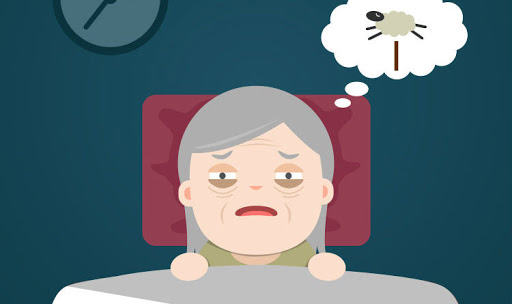
Insomnia is a sleep disorder in which one has difficulty falling asleep, staying asleep, or getting quality sleep. According to a recent study by the University of Pennsylvania School of Medicine, one in four Americans develop insomnia each year, but fortunately, about 75% of these individuals recover without developing persistent insomnia while the other 25% progress to acute insomnia.
People over the age of 60 tend to experience sleep disturbances more often than younger people. Females are also twice as likely to have sleep problems compared to males. There are a multitude of possible causes for insomnia, including:
- emotional stress,
- mental health disorders, such as depression or anxiety,
- chronic pain,
- allergies,
- asthma,
- heart failure,
- hyperthyroidism,
- heartburn,
- menopause,
- restless leg syndrome,
- circadian rhythm disruptions, such as jet lag or working night shifts,
- sleep apnea,
- certain medications,
- caffeine,
- heavy smoking, and
- excessive alcohol intake.
Insomnia is agonizing, exhausting, and frustrating. Some people turn to sleeping pills, either over-the-counter or prescription, which may help improve sleep while you are taking them. But insomnia usually returns once they are stopped because medications do not treat the underlying causes of insomnia.
Melatonin is a natural sleep hormone that is sold as a supplement. It is helpful for occasional sleep problems and jet lag. Individuals who report that melatonin does not work often make the mistake of taking too high a dose of several grams. Very often, as little as 300 mcg is already sufficient. Always start with the lowest dose before increasing the dosage. It is also beneficial to get the “timed release” melatonin as it will help you stay asleep longer. However, melatonin also does not address the underlying causes of insomnia.
A more successful approach to insomnia is to improve sleep hygiene and make lifestyle changes in conjunction with cognitive behavioral therapy. Dozens of studies have proved that this strategy is extremely helpful in treating insomnia. In the following, we will examine these techniques in more detail.
Sleep Hygiene And Lifestyle Changes
Sleep-Promoting Habits
The goal is to help you fall asleep more easily, wake up less often and for shorter periods of time, and fall back to sleep more easily.
- Regular rising time. Set an alarm clock and get out of bed around the same time every day, no matter how little or poorly you have slept. Do not try to sleep in on weekends because by doing so, you will disrupt your body’s circadian rhythm.
- Reducing time in bed. Do not go to bed early because you did not sleep well the prior night. This will actually exacerbate insomnia. Determine your earliest allowable bedtime by starting from your desired wake-up time and subtracting the amount of time you want to stay in bed. The time in bed is your average sleep time plus 1 hour and can range from a minimum of 6 hours to a maximum of 9 hours. If you sleep on average 5 hours or less at night, your time in bed should be 6 hours. If you sleep 8 hours, your time in bed should be 9 hours. In other words, your time in bed should closely match the amount of sleep you are averaging per night. The purpose is to avoid the bed becoming a cue for wakefulness more than a cue for sleep. For insomniacs who are already exhausted, the hardest part is to stay awake until the allowable bedtime. Try to engage in a light activity and refrain from going to bed. As you start to sleep better and more hours, you can move the allowable bedtime earlier.
- Wind down gradually in the hour before bedtime by engaging in relaxing activities. Avoid stimulating activities such as phone calls, arguments, emotional discussions, work-related activities, surfing the internet, bill-paying, or unpleasant TV programs.
- If you need to nap after a poor night of sleep, limit your nap to 45 minutes and do not take it later than 4 pm.
Stimulus-Control Methods
The purpose is to help insomniacs unlearn the connection between the bed and insomnia.
- Use the bed only for sleep and sex. No watching TV, working, studying, playing video games, or talking on the phone. If reading a book or watching TV helps you fall asleep, set a timer to turn off the light or TV after 30 minutes.
- If you cannot fall sleep within 30 minutes or if you awaken during the night and cannot fall back to sleep within that time, get up, go to another room, or sit in bed and engage in a quiet and relaxing activity such as reading a book or watching TV until you feel drowsy. Do not lie in bed tossing and turning.
Lifestyle Factors
- Engage in some form of physical activity every day. Apart from going to the gym, you can also include activities like washing the car, mowing the lawn with a non-riding mower, raking leaves, climbing stairs, bicycling, walking uphill, etc. These activities can be broken up into several shorter sessions but they should add up to at least 30 minutes each day. However, it is best not to exercise up to 3 hours before bedtime.
- Get some sunlight exposure during the day. If you work indoors, go outside on your coffee break or lunch hour. This will help regulate the body’s melatonin (sleep hormone) production and improve sleep. It will enhance your mood and energy as well.
- Drinking 1-2 cups of coffee early in the morning probably will not affect nighttime sleep. However, if you do not sleep well, you should avoid caffeine after noontime.
- If you smoke and cannot quit, try to eliminate smoking near bedtime or at night. Nicotine is a stimulant and it will make it harder to fall asleep and stay asleep.
- If you drink alcohol, limit yourself to one drink at least 2 hours before bedtime. Nightcaps are not a cure for insomnia. Alcohol makes it easier to fall asleep but it can make sleep lighter and more fragmented. It also suppresses deep sleep and exacerbates snoring and sleep apnea.
Food & Sleep Connection
- Foods that are high in complex carbohydrates (eg. peas, beans, oats, quinoa, brown rice) have a mild sleep-enhancing effect because they increase serotonin, a brain neurotransmitter that promotes sleep.
- Foods that are high in protein inhibit sleep by blocking serotonin.
- To fall asleep more easily and have less nighttime awakenings, try eating a light carbohydrate snack before bedtime.
- Avoid foods that are high in sugar as they can cause a burst of energy.
- Avoid foods that are likely to cause heartburn or any digestive discomfort.
- Avoid eating late dinners.
- Reduce fluid intake after 8 pm.
- Studies found that deficiencies in B vitamins can impair sleep. Consider taking a B complex supplement if you think that your diet may be lacking in nutrients.
Establishing The Optimal Sleep Environment
- Room temperature can have a significant impact on sleep. Insomnia is associated with a failure of body temperature to fall at bedtime. So sleeping in a warm room will make it even harder for the body temperature to drop. The optimal temperature for sleep is between 60 to 67 degrees Fahrenheit (or 16 to 19 degrees Celsius).
- Keep the bedroom completely dark and quiet. In general, insomniacs tend to be more sensitive to noise. Older people whose sleep is lighter as a consequence of aging are also more prone to noise-induced sleep disturbance.
- Some individuals are more sensitive to electromagnetic fields (EMFs) than others. If so, removing electronic devices from the bedroom can reduce the stimulation caused by EMFs.
- Make sure your bed is comfortable and provide adequate support. Beds that sag can disturb sleep by causing neck and back discomfort, while mattresses that are too hard can cause discomfort for people with arthritis.
Cognitive Behavioral Therapy For Insomnia (CBT-I)
CBT-I aims to treat chronic sleep problem by changing the thoughts and behaviors that cause or worsen sleep problems with habits that promote sound sleep.
Relaxation Training
Stressful life events are the most common precipitators of chronic insomnia. Most insomniacs and even some good sleepers have a harder time sleeping on stressful days. Studies have documented that increased daytime stress is correlated with reduced deep sleep, which results in lighter, more restless sleep.
Fortunately, we all have an inborn tool within us that can overcome these stress responses. It is called the relaxation response (RR), which simply put, is using the mind to control the body.
How To Induce The RR
- Lie down or sit comfortably. Relax all the muscles throughout the body by starting from the head spreading to the toes or vice versa.
- Engage in slow, deep abdominal breathing.
- Direct your attention from everyday thoughts to a neutral word such as calm, peace, relax, heavy or whatever you choose. Repeat the word silently. Or you can visualize an enjoyable, relaxing scene such as a beach, a mountain, a meadow, or floating on a cloud.
- If your mind wanders or negative thoughts come in, literally say “no thoughts” a few times. Then go back to your word or scene and continue with the deep breathing.
- Practice the RR everyday, either in the morning or afternoon. Allot 10-20 minutes for the RR. If you fall asleep, it is fine. However, do not practice the RR 1-2 hours before bedtime as it may affect your sleep.
- When you get better at doing the RR during the day, you can try using it at night to fall asleep or after a nighttime wake-up. If you do not fall asleep within 30 minutes. Get up or sit up in bed and engage in a light activity. Do not lie in bed tossing and turning.
- Be realistic and be patient. For some insomniacs, it takes up to a few weeks before their sleep improves.
Why The RR Improves Sleep
- When practiced during the day, it counters daily stress responses, reducing the likelihood that stress hormones will be elevated at night.
- When practiced at bedtime or after an awakening, it helps turn off the internal dialogue, quiet the mind, and relax the body.
- RR produces a brain-wave pattern similar to Stage 1 sleep, which is the transition state between waking and sleeping. When insomniacs practice the RR at night, it is easier to enter Stage 1 sleep and ultimately Stage 2, deep sleep, and dream sleep.
How To Overcome Negative Self-Talk
Last but not least, negative thoughts during the day or at bedtime play a powerful role in stimulating wakefulness and causing insomnia. Certain negative thoughts and emotions are normal responses to stressful situations, such as grieving after a death. However, some negative emotions such as worry, anxiety, frustration, and anger are unnecessary, excessive, and unhealthy. They trigger stress responses that adversely affect sleep. Therefore, it is beneficial to eliminate or restructure these negative thoughts that cause more stress.
- Become more aware of negative self-talk. Catch yourself doing it or better, write them down and review them at the end of the day.
- Realize that most of these thoughts are either not true or overly negative and pessimistic.
- Reflect on past experiences and ask yourself: “Has anything like this happened to me in the past and if so, how did it turn out?” Most likely, we tend to worry too much and things seldom turn out as badly as we imagined.
- Reframe your negative thoughts and focus on positive beliefs.
- Do not generalize a problem to your whole life. View setbacks as temporary.
- Avoid blaming yourself for things beyond your control.
- Refrain from dismissing positive events as temporary or due to luck or external causes.
- Practice gratitude everyday.
- Seek out optimists and avoid pessimists. Both optimism and pessimism are contagious.
Hopefully, by incorporating healthy sleep hygiene and making lifestyle changes as well as cognitive behavioral therapy, we can all say goodnight to insomnia!
 Health And Beauty